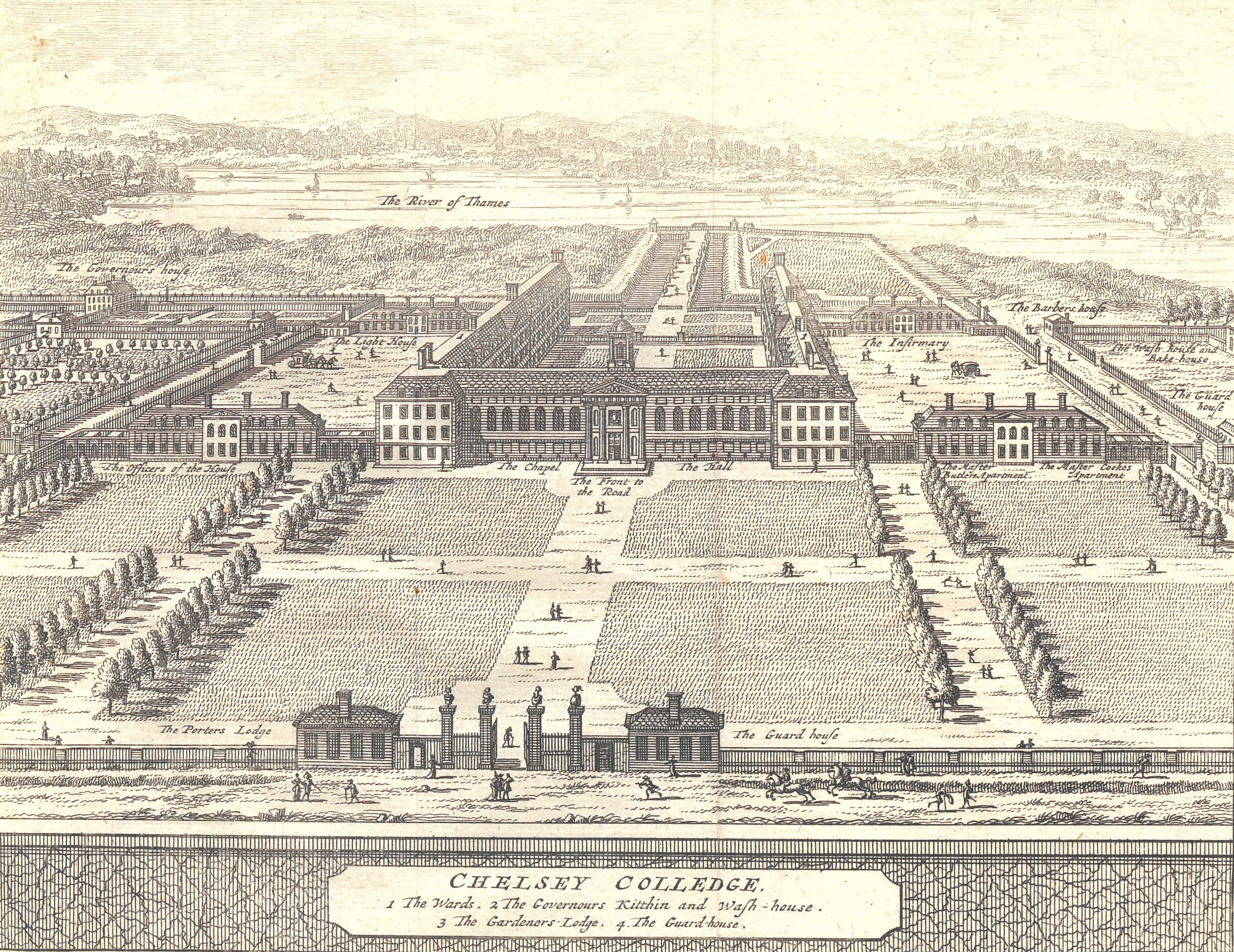
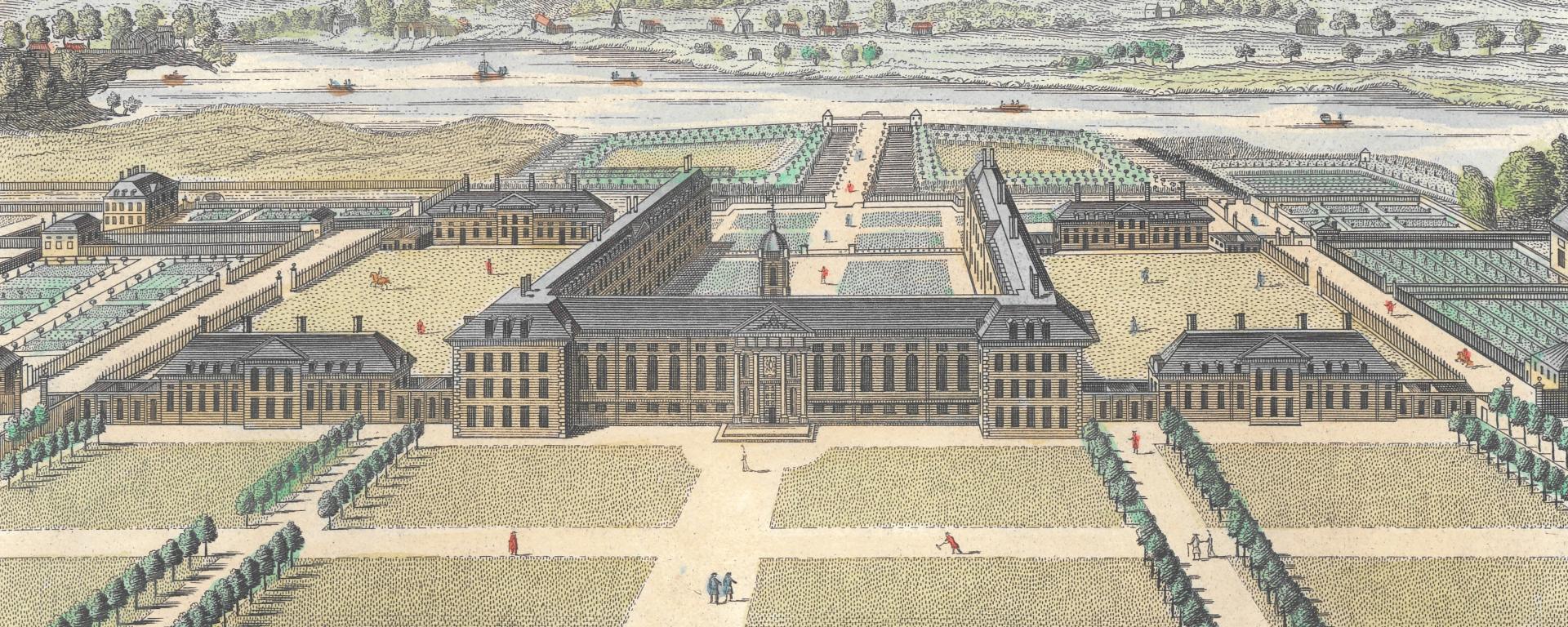
Our Origins
The Vision
The seventeenth century was a period of profound political and social upheaval, shaped by civil war, regicide and the restoration of the monarchy.
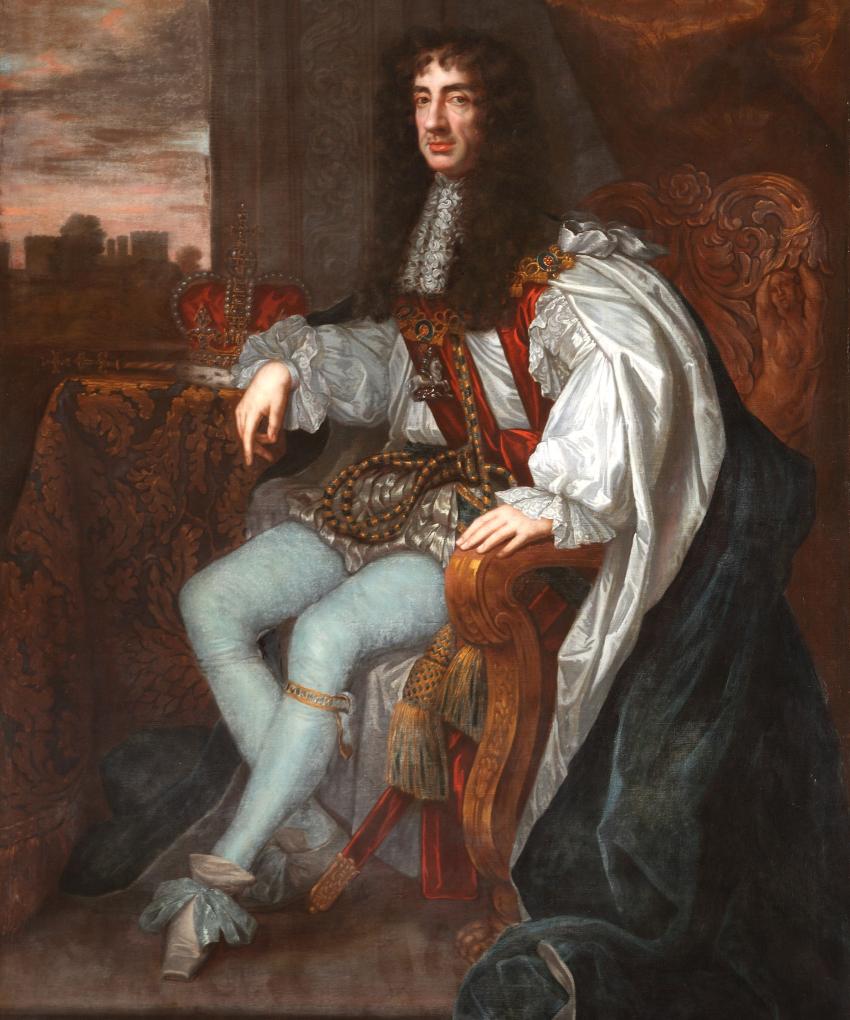
King Charles II emerged from those turbulent years with a reputation for compassion, strengthened by his response to the Great Plaque of 1665 and the Great Fire of London the following year.
It was this compassion, together with a desire to promote the welfare and efficiency of his military forces, that led him to confront a pressing national question:
The Influence
What does a nation do with its soldiers broken by age and war?
His answer was both practical and a logical development of the ancient alms house tradition; a permanent home for soldiers who could no longer support themselves through military service.
Initially, rather than establish a pension system for retired soldiers, although this did eventually take place, Charles II chose to create a permanent home for veterans. In doing so, he was almost certainly influenced by the Hotel Royal des Invalides in Paris, founded by his cousin, Louis XIV, in 1670.
Among those who visited the French institution was the Duke of Monmouth, the King’s eldest illegitimate son. He toured the buildings in 1672 and returned five years later as Captain General of the Army. Just three months after his second visit, he wrote to the French Minister for War:
"Would you please do me the favour of getting me the plan of the Hôtel des Invalides drawn according to the model with all the sides, because the King will be very happy to see it."
The request suggests that Charles II was studying the French model as he developed plans for what would become the Royal Hospital Chelsea.
The First Royal Hospital
Yet, a Royal Hospital for England’s Army veterans was not to be Charles II’s first.
In England, a hostile House of Commons regarded a standing army with deep suspicion. To propose a home for retired soldiers when parliament questioned the very existence of a permanent army carried significant risk.
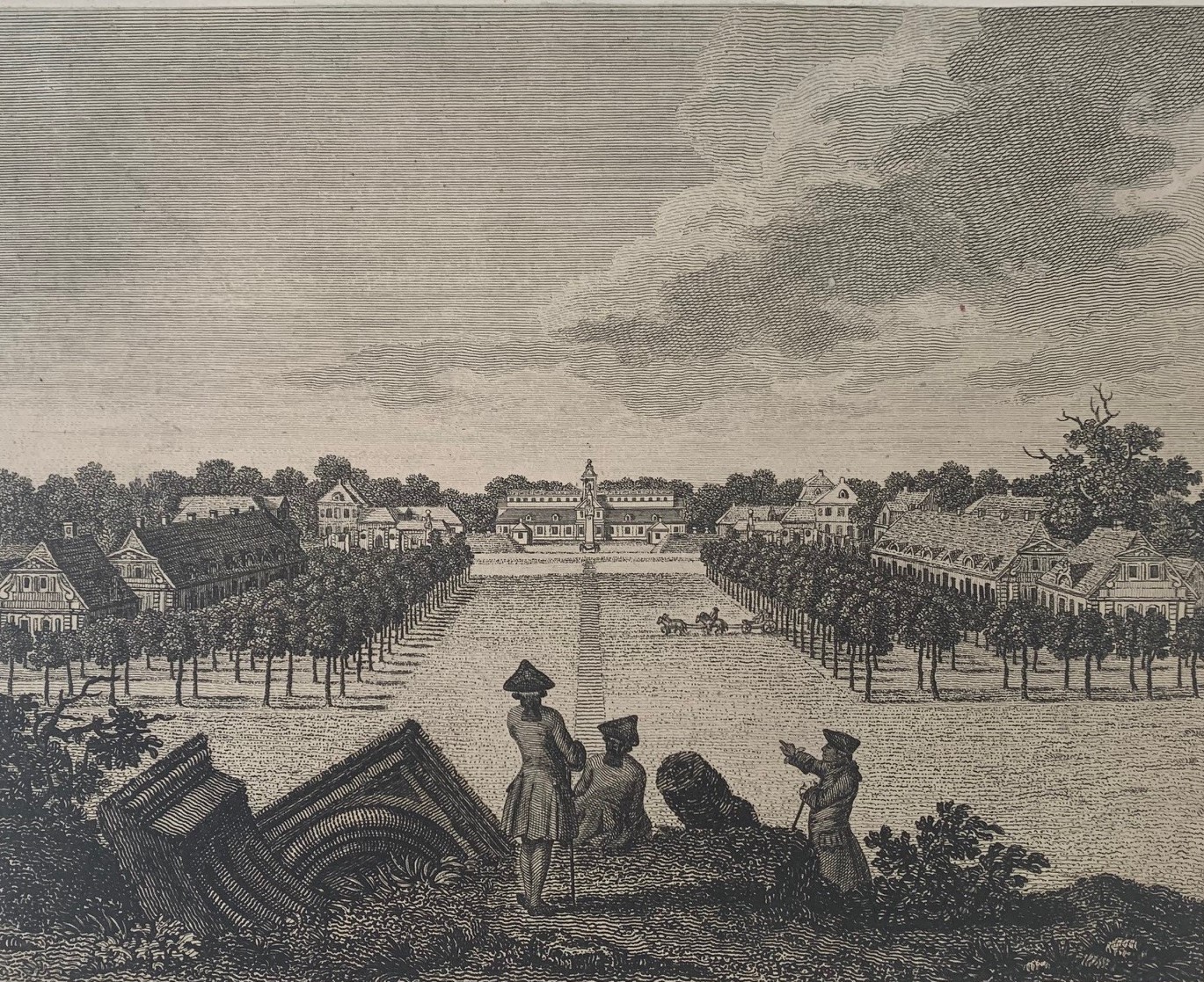
Ireland offered a more favourable opportunity. Conditions for veterans were much the same, but the political obstacles were fewer. In July 1679, Charles II approved plans for a Royal Hospital for retired soldiers of the Irish Army at Kilmainham, outside Dublin. Construction began the following year, and the first pensioners were admitted in 1684.
The Royal Warrant
Between 1679 and 1681, England was gripped by the Exclusion Crisis. Three Exclusion Bills sought to prevent the King’s Catholic brother, James, Duke of York, from succeeding to the throne. In March 1681, Charles II dissolved Parliament to prevent the passage of a third Exclusion Bill. He never recalled Parliament during the remainder of his reign.
Freed from parliamentary opposition and encouraged by the successful progress of the Kilmainham project, Charles II was finally able to establish a companion institution in England. Although Kilmainham did not receive its first pensioners until 1684, the progress of its construction had demonstrated that Charles II’s vision for a permanent home for retired soldiers in England could become a reality.
On the 7 December 1681, the Royal Hospital Chelsea was formally founded by Royal Warrant:
The Legacy
The Royal Hospital Chelsea welcomed its first 99 Chelsea Pensioners on 4 February 1692. They were joined by a further 377 residents on 28 March that same year, marking the beginning of a community that has endured for more than three centuries.
The foundation of the Royal Hospital Chelsea was Charles II’s answer to a question that remains as relevant today as it was in 1681:
"What does a nation do with its soldiers broken by age and war?"
His answer was to create a permanent home where veterans could be cared for with dignity, respect and companionship.
More than three centuries later, the Royal Hospital continues to fulfil that original purpose. While it has evolved to meet the changing needs of successive generations of Army veterans, its founding mission remains unchanged.
Today’s Chelsea Pensioners are proud ambassadors for the veteran community. Through their stories, public service and continued contributions to national life, they embody the enduring causes on which the Royal Hospital was founded. Charles II’s vision has become one of Britain’s longest-standing commitments to those who have served their country.
To see how Charles II's vision has come to life today, and the traditions and community that defines life at the Royal Hospital Chelsea for yourself, discover tour options for a visit in person.